The single most important decision a new OGames player makes is not which ship to build first or which technology to rush — it is which universe to join. Andromeda (50x), Nebula (99x), and Proxima (200x) are three distinct games wearing the same OGame skin, and picking the wrong one for your schedule, your tolerance for risk, and your long-term ambitions will cost you weeks of enjoyment. The short answer: casual or returning players who want classic strategy belong in Andromeda, competitive mid-core players land best in Nebula, and veterans chasing maximum chaos should go straight to Proxima.
Three Universes, Three Tempos

Every OGame universe lives or dies on its speed settings. The economy multiplier controls how fast mines and solar plants produce resources; the research multiplier shortens every technology from Espionage Probe up to Graviton; the fleet multiplier drives how quickly missions — attacks, transport, colonization, expeditions — resolve. In retail OGame these numbers hover between 1x and 8x on most servers. OGames blows those numbers apart entirely.
All three OGames universes launched in April 2026 and accommodate up to 5,000 players each across 9 galaxies. That shared foundation means the community infrastructure — alliances with ACS, the battle simulator, the Battle Hall, server records, fleet dealer, academy with daily quests, character classes, marketplace, auctioneer, and the lifeform tech tree — is identical in every universe. What changes is the rhythm. At 50x you can plan tomorrow. At 200x you need to plan the next twenty minutes.
Speed class multipliers govern in-flight fleet velocity on top of the base fleet multiplier. War fleets (combat ships en route to attack or spy) and holding missions are accelerated differently from peaceful trade and colony missions. These numbers matter enormously for fleetsave windows and for calculating how much warning your phalanx scanner gives you before an enemy hammer lands. Understanding them is a prerequisite for surviving in any universe, but the implications scale dramatically with base fleet speed.
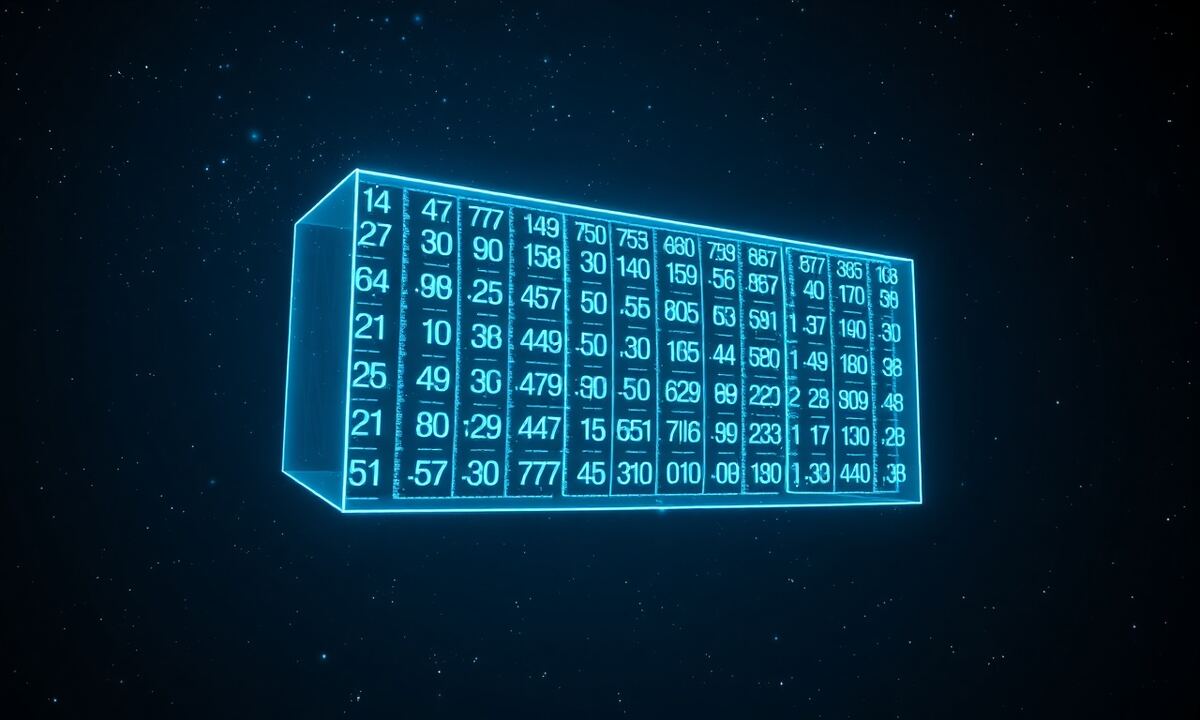
The Full Comparison Table
| Setting | Andromeda (Uni 4) | Nebula (Uni 5) | Proxima (Uni 6) |
|---|---|---|---|
| Economy speed | 50x | 99x | 200x |
| Research speed | 100x | 198x | 400x |
| Fleet speed | 50x | 99x | 200x |
| War fleet speed class | ×5 | (base) | (base) |
| Peaceful speed class | ×10 | (base) | (base) |
| Holding speed class | ×5 | (base) | (base) |
| Dark Matter at signup | 5,000 DM | 10,000 DM | 20,000 DM |
| Free DM weekly | 1,000 DM | 10,000 DM | 50,000 DM |
| Debris: ships | 43% | 55% | 80% |
| Debris: defense | 17% | 22% | 32% |
| Max moon chance | 20% | 30% | 40% |
| Bonus planet fields | +500 | +200 | +500 |
| Capacity (players) | 5,000 | 5,000 | 5,000 |
| Galaxies | 9 | 9 | 9 |
A few numbers from that table deserve immediate commentary. Research in every universe runs at double the economy rate — this is deliberate design to keep technology from becoming a long-term gating bottleneck and to make the 15-tech Graviton requirement for Death Star reachable within a reasonable session count even at 50x. The bonus planet fields in Andromeda and Proxima (+500) are twice what Nebula offers (+200), which has real consequences for late-game mine stacking. And the Dark Matter regeneration gap between universes is enormous: Proxima players receive fifty times more weekly DM than Andromeda players, which keeps the faster universe fueled with Commander bonuses and officer slots without requiring any real-money purchase.
Andromeda at 50x: The Strategist's Universe

At 50x economy and 50x fleet, Andromeda is the universe where a thoughtful player who logs in twice a day can genuinely compete. Construction timers are short enough to feel rewarding but long enough that a one-hour nap does not expose your entire economy to a crashing wave of Battlecruisers. A Plasma Turret takes minutes, not the days it would on a 1x server — yet you still have time to react when a spy probe lands in your system.
The war fleet speed class multiplier of ×5 on top of the already-50x base fleet speed means combat fleets across cross-galaxy distances resolve faster than most players expect when they first arrive. Calculate carefully: a Battlecruiser at 100% thrust traveling from Galaxy 1 to Galaxy 9 in Andromeda covers that distance in a fraction of the time a retail player would consider reasonable. This cuts both ways — your fleetsaves need tighter timing, but you can also respond to threats more quickly.
The 5,000 DM at signup is enough to activate one or two Officers (Admiral + Engineer is the classic combination) for a full month without spending anything. The 1,000 weekly DM refresh is more modest than the other universes, meaning long-term Officer maintenance in Andromeda rewards efficient play over time rather than infinite bankrolled convenience. The +500 bonus planet fields is a major late-game advantage: you can stack more Deuterium Synthesizers and Metal Mines without being forced into difficult building decisions early.
Moon chance capping at 20% is the most conservative of the three universes. Players who want to secure moon locations for Phalanx and Jump Gates will need to plan large battles intentionally or coordinate moon-shots with alliance members. This is not a barrier — it is a design choice that makes moons feel earned and strategically significant rather than trivially automatic.
Who belongs in Andromeda: returning veterans who remember 4x or 8x retail OGame and want to rediscover the strategic depth without the overwhelming pace of ultra-fast servers; casual players who have two to four login windows per day; alliance builders who want time to actually coordinate diplomacy and ACS before the universe reshuffles; and players who value planet field count for long-term mine optimization.
Nebula at 99x: The Sweet Spot

Nebula is where OGames finds its equilibrium. The 99x economy feels almost exactly double the pace of Andromeda without collapsing into the relentless sprint of Proxima. Technologies that take tens of minutes in Andromeda resolve in single-digit minutes in Nebula. A fresh account can reach Battleship-class warfare within a first serious play session, and a coordinated alliance can establish real territorial presence within a week of launch.
The debris field rates in Nebula — 55% from ships, 22% from defense — represent a meaningful jump above Andromeda. Recycler fleets become genuinely profitable in ways that go beyond mere cleanup. A well-timed attack on a defended planet in Nebula yields debris worth recycling even if the attacker takes losses: the economics of war shift toward aggression because resource recovery from the battlefield is dramatically higher. This changes the risk calculus for every combat decision.
The 10,000 DM at signup covers a strong Officer stack immediately. More importantly, the 10,000 DM weekly regeneration means that in Nebula you can maintain Admiral, Engineer, Geologist, Technocrat, and Commander simultaneously for extended periods entirely from free DM — no purchase required. This is the universe where the no-pay-to-win promise has the most visible daily impact, because the gap between a fully officered and a bare account is enormous, and Nebula gives everyone enough DM to close that gap.
The 30% moon chance cap means that a properly sized fleet crash — the kind that produces 100,000+ debris in a moon-shot battle — gives a reasonable probability of a moon formation without requiring the absurd volumes of sacrificed ships that 20% cap universes demand. Moon infrastructure (Sensor Phalanx, Jump Gate) becomes accessible earlier in a universe lifecycle, which accelerates the meta toward mid-game fleet operations rather than extended early-game mining grind.
One tradeoff worth noting: Nebula's +200 bonus planet fields is the lowest of the three universes. This means late-game planet builds are tighter. On a planet with fewer available fields you are forced into more deliberate decisions about which buildings to prioritize — typically favoring production buildings over defense in the mine phase and defense over additional mines once your economy is established.
Who belongs in Nebula: competitive players who can log in three to six times per day and want a universe that rewards active presence; alliance PvP enthusiasts who want fast combat without the 24/7 commitment Proxima demands; players who want to experience the full arc of OGame — from early economy through moon infrastructure to capital ship fleets — in weeks rather than months; anyone for whom the free DM model is a primary attraction.
Proxima at 200x: Maximum Velocity
Proxima is not a faster version of Nebula. It is a fundamentally different game mode. At 200x economy and 400x research, the entire technology tree from Espionage level 1 to Graviton is achievable in hours of active play, not days. New colonies reach productive mine levels within a single session. Capital ships — Destroyers, Battlecruisers, Bombers — enter the field faster than some players on other servers finish their first Cruiser. The universe moves so quickly that fleetsave discipline and constant awareness become the defining skill, not long-term empire planning.
The debris field rates in Proxima are staggering: 80% from ships and 32% from defense. This means the resource economy of Proxima is partly driven by combat recovery. Major battles generate debris fields large enough to reshape the local resource balance. Recycler efficiency is paramount — an alliance that controls the recyclers in a region after a large engagement captures enormous value. This creates a layer of post-combat resource warfare that barely exists in Andromeda and exists moderately in Nebula.
The 40% moon chance cap — the highest of any universe — means that even modest fleet battles produce moon formation opportunities. In practice, Proxima players can establish moon infrastructure across their colonized systems relatively quickly, which makes Jump Gate networks viable early and shifts the meta toward rapid power projection across multiple galaxy positions. Phalanx coverage of key systems becomes a central alliance activity rather than a late-game luxury.
The 50,000 DM weekly regeneration in Proxima is the defining quality-of-life number. That is enough to keep all five Officers active indefinitely from free DM alone and still have surplus for additional features. The 20,000 DM signup bonus means even a brand-new account arrives with a fully staffed command bridge. In Proxima, the advantage of premium Officers is universally available — which paradoxically makes the universe more competitive on pure skill rather than on resource investment.
The +500 bonus planet fields matches Andromeda, giving Proxima players room for aggressive mine stacking despite the universe's fast pace. Given that economy runs at 200x, a maxed Metal Mine on a +500 field planet generates extraordinary per-hour output — and the resources compound quickly into fleet production that would take weeks on a retail server.
Who belongs in Proxima: hardcore veterans who can monitor their fleet several times a day; players who treat OGame as a live competitive sport rather than a background hobby; alliance leaders who want to manage active territorial conflict and large-scale ACS operations; and experienced players who want to re-experience OGame at full intensity after years away from the game. Do not start in Proxima if you cannot commit to active fleetsaving — your fleet will be destroyed while you sleep, and it will happen fast.
Debris, Moons and Dark Matter Compared
Three numbers quietly determine the mid-game economy of each universe: debris rate, moon chance, and Dark Matter income. These are not cosmetic differences — they fundamentally alter which strategies are viable and how quickly the universe matures.
The debris chain — 43/55/80 percent ship recovery across Andromeda, Nebula, Proxima — makes recycling a progressively more profitable profession as you move up the universe tiers. In Andromeda, combat is slightly loss-averse because you recover less than half of any ships you lose. In Proxima, you recover four-fifths of your losses in debris, meaning aggressive tactics that involve trading ships for kills become mathematically viable in ways they simply are not in slower universes. Alliance recycler fleets in Proxima can fund significant portions of a war effort purely from battlefield salvage.
Defense debris (17/22/32 percent) adds another dimension. In Andromeda, defenders have a stronger economic position because attackers must destroy substantial defense to reach the planet and most of that defense cost disappears permanently. In Proxima, 32% of destroyed defense returns as debris — still a loss for the defender, but it significantly reduces the economic punishment of being farmed. This subtly shifts Proxima toward higher-frequency combat because neither side is as financially devastated by a losing engagement.
Moon chance caps (20/30/40 percent) interact with universe pace in an important way: faster universes need moon infrastructure sooner because players reach fleet sizes requiring Jump Gates earlier. Proxima's 40% cap acknowledges this — the universe hands out moon formation opportunities more generously because players need them more urgently. See the community and alliance guide for how alliance-coordinated moon-shots work across all three universes.
Dark Matter income is the most underappreciated differentiator for new players. In Andromeda, 1,000 DM per week forces deliberate officer choices — you can sustain one or two officers long-term but not the full complement. In Nebula, 10,000 DM weekly covers full Officer activation comfortably. In Proxima, 50,000 DM weekly gives every player the equivalent of a fully premium account at no cost. For players who previously avoided OGame private servers due to pay-to-win concerns, Proxima's DM economy is the most dramatic statement that this is a skill-based environment.
Can You Play More Than One Universe?

Yes — OGames supports separate accounts per universe, and nothing technically prevents you from maintaining an empire in Andromeda while also operating in Nebula. The practical question is whether you have the time and attention budget to do it well, and in speed universes, that is a genuinely demanding calculation.
Andromeda makes the best first universe for players who want to learn or relearn the game. Its 50x pace gives you time to absorb mechanics — mine ratios, fleet composition, espionage intelligence, fleetsave timing, moon infrastructure — without the brutal pace of Proxima punishing every mistake instantly. Once you have your Andromeda empire on stable footing and the mechanics feel intuitive, adding a Nebula or Proxima account becomes much more manageable.
Running Nebula and Proxima simultaneously is viable only for experienced players with the schedule to support it. Both universes demand regular login windows — Proxima most of all. The advantage is that your combat experience in one universe directly transfers to the other: espionage reading, ACS coordination, battle simulator practice, and phalanx work are all identical skills across universes.
A practical multi-universe strategy: use Andromeda as your economic foundation and long-term project, Nebula as your primary PvP arena, and treat Proxima as a specialist environment you enter when you specifically want maximum-intensity play. This keeps each universe fulfilling its natural role without dividing your attention so badly that you cannot defend in any of them. Browse the full universe comparison page to see current statistics and activity levels before committing to more than one.
One important caution: in faster universes, an inactive or semi-active account becomes a target. An account that is being actively played provides defense, fleetsaves, and active responses to espionage. A neglected account in Proxima is a resource pinata for every active farmer in the vicinity. If you commit to a universe, commit to its required activity level — or accept the consequences gracefully.
FAQ
Which universe is best for complete beginners who have never played OGame before?
Andromeda at 50x is the right starting point for players new to OGame. The 50x economy means you see results quickly enough to stay engaged — your first mines produce resources in minutes, your first ships arrive within your first session — but the pace is gentle enough to absorb the mechanics before you are forced into advanced fleetsave and combat decisions. The 5,000 DM signup bonus activates your first Officer pair immediately, and the 100x research speed means the technology tree opens up at a satisfying rate. Once you understand how mine ratios, ship combat, espionage, and fleetsaving work, graduating to Nebula becomes a natural progression. Proxima as a first universe is not recommended: mistakes that would cost you an hour in Andromeda cost you a full day's production in Proxima, and the pace leaves no time to learn from errors before they compound.
Is Proxima really pay-to-win if it gives so much free Dark Matter?
No — in fact Proxima is the most demonstrably fair of the three universes on this metric. The 20,000 DM signup bonus and 50,000 DM weekly regeneration mean every single player can run all five Officers (Admiral, Engineer, Geologist, Technocrat, Commander) simultaneously without spending a single real-money purchase. Officers provide the main premium advantage in OGame — they amplify fleet cargo, research speed, mine output, and combat effectiveness. When everyone has Officers, the competitive advantage reverts entirely to skill: better fleetsave discipline, smarter target selection, faster recycler response, superior alliance coordination. Read more in the full Dark Matter guide for a breakdown of exactly how the free DM model works across all universes.
How do the speed class multipliers in Andromeda actually work in practice?
In Andromeda, the base fleet speed of 50x is further multiplied by a speed class factor depending on mission type: war fleets (attack, espionage, ACS attack) and holding missions travel at ×5 the base fleet speed, and peaceful missions (transport, deploy, colonize, harvest) travel at ×10. In practice this means a war fleet in Andromeda travels at an effective 250x the speed of a 1x retail server, while a peaceful transport or harvest mission travels at an effective 500x. The combat implication is significant for Phalanx users: enemy war fleets arrive faster than a raw 50x fleet speed would suggest, so you must read your Phalanx data and respond quickly. For detailed tactics around espionage and Phalanx reading, see the speed server guide.
Does the +500 bonus planet fields make a real difference to my economy?
Substantially, yes — especially in Andromeda and Proxima where the bonus applies. In vanilla OGame mechanics, planets have between 163 and 258 base fields depending on their position in the solar system (max position planets have the most). Adding 500 bonus fields gives every planet a total well above 600 available building slots, which means you never face the late-game crisis of demolishing buildings to free space for higher-level mines or additional defenses. Nebula's +200 bonus is meaningful but more constrained: you will still need to think carefully about build order in late game, particularly if you want to stack both offensive mine capacity and a serious defense layer. Planet fields matter more in fast universes than in slow ones because players reach high mine and building levels more quickly, making field limitations hit sooner in a server's lifecycle.
Can I switch universes after I start, or am I locked in?
Your account in each universe is entirely separate — there is no transfer mechanism between universes, and resources, ships, technologies, and positions do not carry over. If you start in Andromeda and later want to try Nebula or Proxima, you register a separate account in that universe and begin from scratch. This is actually an advantage of the multi-universe structure: each universe is a clean competitive environment with no legacy advantages, and your experience from one universe translates as knowledge and skill rather than as transferred resources. Some players intentionally start a new account in a faster universe as a personal challenge — building from nothing in Proxima with the knowledge of a veteran Andromeda player is a rewarding test of how well you have internalized the game's mechanics. Compare all three universes and register the one that fits your current goals — you can always explore another later.
Ready to pick your universe and start building your empire? All three universes are open, free to play, and waiting for your first colonization wave. Register your account on OGames and log your first session today — whether you choose the calculated patience of Andromeda, the competitive fire of Nebula, or the relentless velocity of Proxima, your fleet awaits.