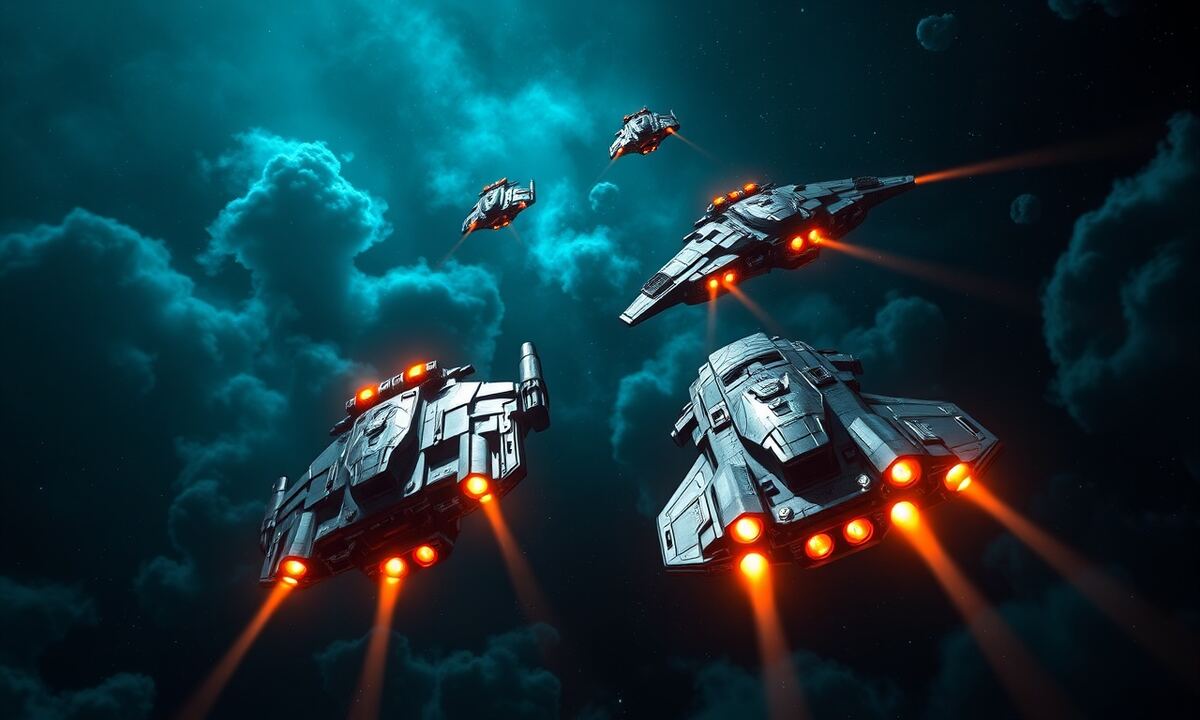
Alliance warfare in OGame is decided long before a single Battleship undocks — it is decided in private messages, back-channel IRC threads, and tense negotiation channels where diplomats trade concessions at three in the morning. The player who understands that political capital is as valuable as deuterium will consistently outfight and outlast opponents who treat every conflict as a pure fleet duel. This guide covers the full meta-game: how pacts are structured and broken, why wars actually start, how coordinated campaigns are run, what a war economy looks like, and how to end a conflict on terms that leave you stronger than before.
The Game Above the Game

Most players experience OGame as a resource-and-fleet game. Veterans know the real game is a layered political simulation that uses fleets as its enforcement mechanism. Every alliance of meaningful size spends more hours managing relationships than it does processing combat reports. This is not a weakness — it is how dominant blocs stay dominant.
The political meta operates on three levels simultaneously:
- Internal governance: who holds officer roles, how decisions get made, how activity is enforced, and how resources flow between members during crises.
- Bilateral relations: NAPs, trade agreements, mutual-defense clauses, and the unwritten norms between neighboring alliances that keep border planets safe.
- Bloc dynamics: the grand coalitions that form when a single alliance grows dominant enough to threaten everyone else, and the counter-coalitions that inevitably rise to check it.
A fleet that is twice the size of yours does not matter if its owner is diplomatically isolated. Conversely, an average-sized alliance with two solid pact partners and a reputation for keeping its word will punch far above its weight class in any prolonged conflict. Reputation is a compounding asset. Build it early; guard it obsessively.
On high-speed servers like those at OGames — where Nebula runs at 99x economy and Proxima at 200x — political dynamics compress along with everything else. Alliances form in the first 48 hours, pacts are drafted within the first week, and the first major war declarations often land before the two-week mark. If you are planning to climb the rankings, your diplomatic agenda needs to be running in parallel with your build queue from day one.
Pacts, NAPs and Wing Structures

Formal agreements come in a predictable hierarchy, and understanding exactly what each one commits you to prevents the single most common source of alliance drama: disputed interpretations during a crisis.
Non-Aggression Pacts (NAPs)
A NAP is the baseline agreement. Both alliances agree not to attack each other's members — typically for a fixed term (30 days is standard on speed servers) with a notice period (usually 72 hours) before cancellation. A well-drafted NAP specifies:
- Whether moon destruction counts as aggression.
- How ghost-crash violations are handled (accidental attacks on members while they are fleet-saving).
- Whether the pact extends to wings of either alliance.
- Reparation procedures for unintentional breaches.
Leaving these clauses vague is where alliances get burned. Draft your standard NAP template once, make it tight, and insist on it whenever possible.
Trade and Resource Agreements
Less common but powerful in early-universe phases: alliances commit to supplying deuterium or metal at agreed exchange rates. This is particularly relevant on Andromeda (50x) where galaxy-9 players farming deuterium may want protected trade lanes to inner-galaxy alliance mates. Resource agreements are enforced by reputation rather than any game mechanic — which makes them high-value trust-building signals.
Mutual Defense Pacts (MDPs)
An MDP upgrades a NAP: if either signatory is attacked, the other is obligated to enter the war. This is where diplomacy becomes strategic, because chaining MDPs creates the same cascade-of-alliances problem that triggered World War One. An MDP web means you cannot fight anyone without knowing exactly who else you are fighting. Map your MDP graph before you ever draft a war declaration.
Wing Alliances
Large alliances cap membership at 100 players. A wing is a secondary alliance — typically named with a suffix like "[TAG]-2" or "[TAG] Rising" — that operates under the parent's diplomatic umbrella but gives overflow members a home. Wings create management complexity: who speaks for the wing in diplomacy? Do pacts auto-extend to wings? Do wing members get ACS access to parent fleets?
The cleanest setups give the wing a dedicated diplomat who reports to the parent's foreign minister, with an explicit clause in all pacts that covers wing members. Ambiguity here is a liability that adversaries will exploit the moment it benefits them.
Casus Belli: Why Wars Actually Start
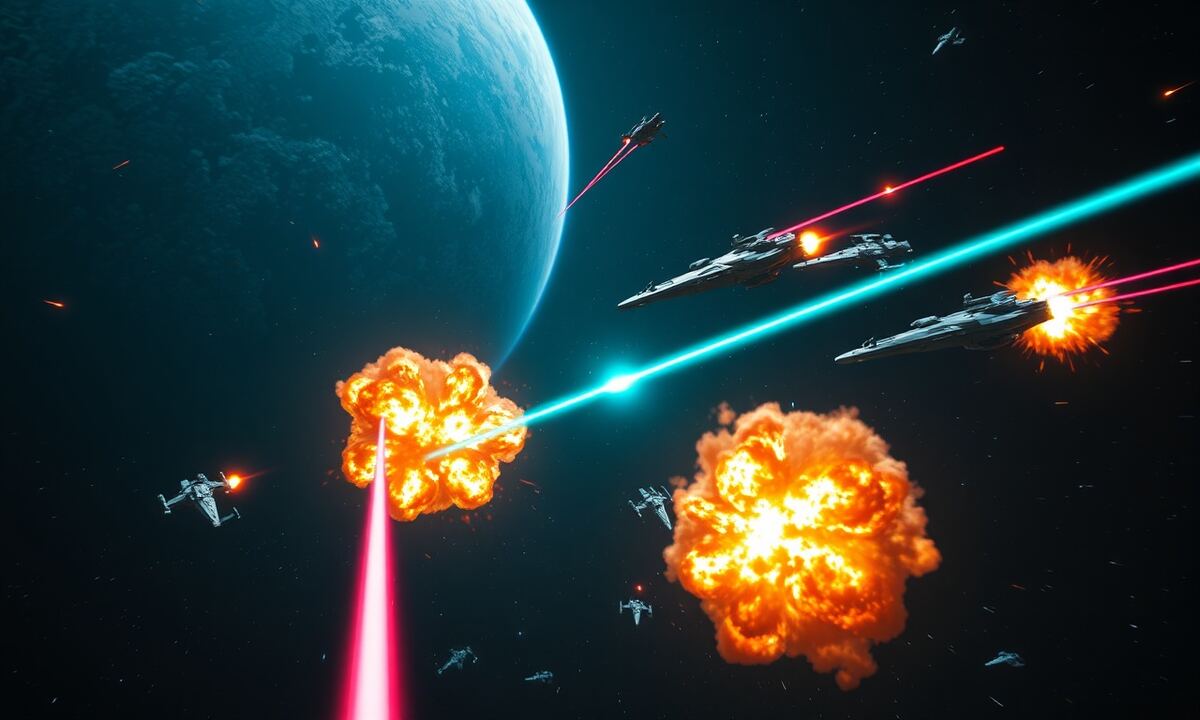
Players who have been through multiple server cycles recognize the same recurring triggers. Wars rarely start because two alliances simply dislike each other — they start because a specific incident creates political cover for what one side already wanted to do.
The Resource Raid That Went Too Far
Someone farms a member who turns out to be a friend of an officer. The member reports it. The officer demands an apology and reparations. The farming alliance's leadership refuses, or offers less than the injured party finds acceptable. Suddenly you have a casus belli. The underlying cause is almost always that the farming alliance was already seen as a threat; the raid is just the match on dry wood.
Territory Disputes
On a 9-galaxy server, galaxy borders matter. Two alliances both recruiting heavily in galaxy 4 will eventually collide. Smart alliances draw explicit galaxy boundaries in bilateral agreements. When those boundaries are not drawn — or when a growing alliance expands into territory another considers exclusive — friction escalates toward war.
NAP Violations (Real or Perceived)
A ghost-crash hits a NAP partner's member. The attacking player claims it was unintentional. The NAP partner's leadership does not believe them — or believes them but reads the non-response as a sign of disrespect. Reparation negotiations collapse. War follows. This scenario plays out so often that experienced diplomats build explicit breach-and-repair clauses into every NAP template precisely to give both sides an off-ramp.
Bloc Power Shifts
When one alliance or coalition grows large enough that neutral parties start calculating how long until it turns on them, pre-emptive war becomes rational. The "balance of power" war — where a coalition forms specifically to cut down the dominant bloc before it becomes unbeatable — is the highest-stakes political maneuver in the game. Coordinating it requires the kind of back-channel diplomacy that happens months before anyone publicly declares anything.
Manufactured Pretexts
Sometimes a war was already decided internally and the leadership is looking for an incident to justify it publicly. A pattern of low-level violations, a member who refuses to stop raiding despite requests, an insult in galaxy chat — any of these become official casus belli when the decision to fight was already made. Recognizing manufactured pretexts is a core diplomatic skill. If your counterpart is finding new grievances each time you resolve the last one, the war is coming regardless.
Campaign Coordination: Fighting as One Fleet
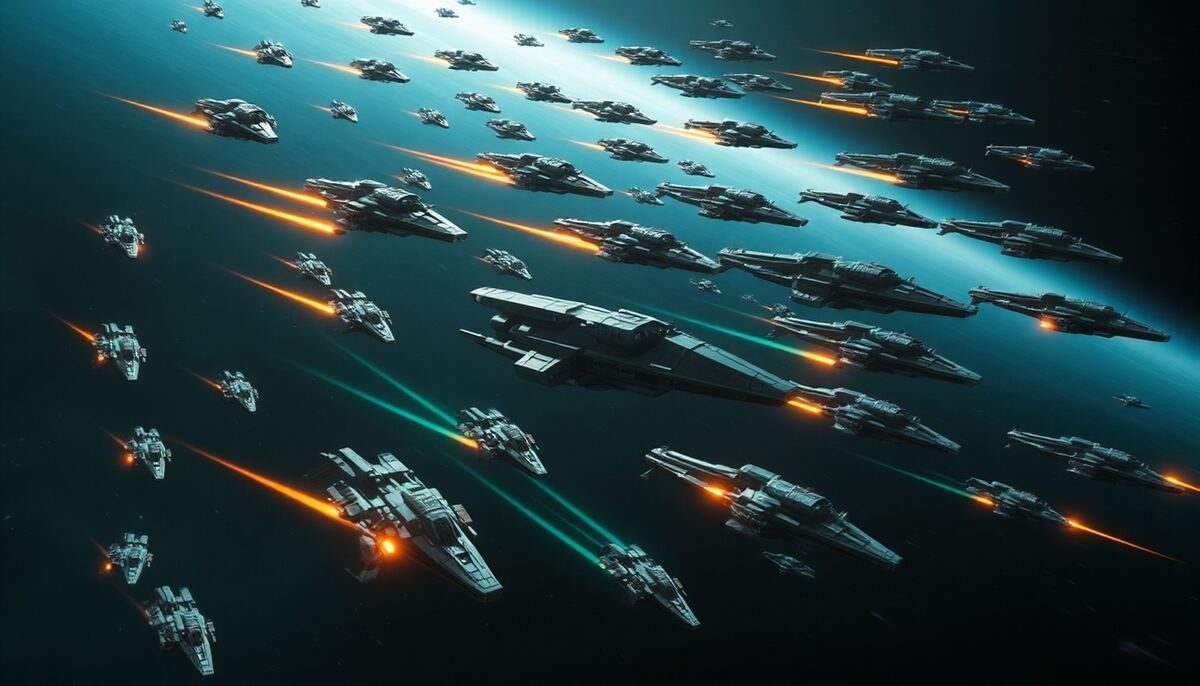
An alliance that fights as a collection of individual players will lose to a smaller alliance that fights as a single coordinated unit. Campaign coordination is the operational layer of alliance warfare — translating diplomatic and strategic decisions into synchronized fleet actions.
Intelligence First
Before any campaign begins, your espionage corps runs systematic probes on priority targets. You want activity windows, fleet compositions, planet and moon positions, and resource stockpiles. The counter-espionage guide explains how to protect your own intelligence — but on offense, you need enough probes to build a picture of your opponent's entire fleet-save pattern across their key members. Assign probe teams to specific galaxy sections and compile shared spreadsheets. Manual coordination here is irreplaceable.
ACS: Attack Coordination System
ACS allows multiple members to combine fleets on a single attack or hold. In an alliance war, ACS transforms individual mid-sized fleets into strike groups that can take down targets that no single member could crack. The key coordination requirements:
- Timing discipline: all participating fleets must arrive simultaneously. A five-minute spread lets the defender ninja or recall. Practice ACS timing in low-stakes situations before your campaign D-Day.
- Role assignment: designate which player sends the fastest ships to set arrival time; others match. The fastest-ship commander owns the timing call.
- Communication channel: a dedicated discord channel or group chat with a clear command voice. Confusion in the final hour of an ACS drops participation by half.
Priority Target Lists
Not every enemy member is equally valuable to hit. Build a tiered list: Tier 1 are their top fleeter and officer accounts — crashing these wins the war psychologically as much as materially. Tier 2 are their major resource planets and moons. Tier 3 are peripheral members who can be pressured into leaving the alliance. Campaign your Tier 1 targets relentlessly while using Tier 3 pressure to erode their numbers and morale.
Fleet-Save Pressure
Sustained pressure means the enemy spends more time fleet-saving and less time playing productively. Long fleet-saves cost deuterium — sometimes significant amounts on high-speed servers where multi-planet logistics are complex. If you can force your opponent to keep their fleet in long-recall saves for a week, you are degrading their economy and their morale simultaneously without landing a single hit.
Communication Security
Assume the enemy has a spy in your alliance. This is not paranoia — on servers with 100+ member alliances, infiltration attempts are routine. Compartmentalize: only officers know campaign targets and timings. General members get assignments, not the full picture. Change your coordination channel after major operations.
War Economies: Sustaining the Campaign
A war that outlasts your deuterium supply is a war you lose by attrition regardless of combat results. War economy management is unglamorous but decisive.
Deuterium Is the Hard Limit
Every fleet movement burns deuterium. A sustained campaign against a defended enemy — with long-range ACS strikes, recall-and-resend cycles, and fleet-save fuel — can drain even a large alliance's reserves inside two weeks. Before any war declaration, audit your alliance's collective deuterium production and stockpile. Establish minimum reserve thresholds per member that must be maintained throughout the campaign.
If you have deuterium-rich members in outer galaxies and resource-poor fleeters in the core, build explicit supply lanes. Inner-galaxy members provide metal and crystal for rebuilding; outer-galaxy members supply deuterium. This specialization, planned before war starts, is what keeps campaigns running when they drag into week three.
Rebuild Coordination
Ships lost in campaign need to be rebuilt fast. Designate shipyard planets per member with excess building capacity. When a member takes a significant loss, the alliance coordinates resource transfers to get their fleet back to fighting strength within 24 hours rather than 72. Speed servers with accelerated build rates make this more achievable — but it still requires active coordination rather than assuming members will self-supply.
Economic Targets
The fastest way to win a war is to destroy the enemy's ability to sustain it. This means targeting their most productive resource planets, raiding them repeatedly to prevent stockpiles from building, and crashing any fleet they send to haul resources between planets. If you can drop a dominant enemy fleeter from 30M resources per day production-equivalent to 5M, their rebuild timeline explodes and their will to continue degrades.
Dark Matter Considerations
On OGames universes, the commander system and officer bonuses are active. In Andromeda, members receive 1,000 free DM weekly; in Nebula, 10,000; in Proxima, 50,000. During wartime, encourage members to prioritize Admirals (additional fleet slots) and Commanders (automated fleetsave). These are not pay-to-win advantages — they are efficiency multipliers that compound across a long campaign.
Ending Wars: Terms, Surrender and the Long Peace
How a war ends matters as much as how it is fought. A war that ends badly — with grievances unaddressed, terms violated within weeks, and bitter players leaving both alliances — is worse than a war that never started. A war that ends cleanly, with clear terms and a genuine peace, can reset the server's political dynamics in your favor.
Knowing When to Negotiate
The best moment to open peace talks is from a position of clear advantage — not total dominance. A cornered enemy with nothing to lose fights differently than one who can see an honorable exit. If you have achieved your primary objectives (crashing their main fleet, removing a hostile border presence, extracting reparations), opening talks at that point lets you dictate terms while the enemy still values keeping their remaining assets.
Peace Terms That Stick
Terms that are punishing beyond what the situation requires breed resentment and guarantee a revanche war the moment the defeated party rebuilds. Sustainable peace terms typically include:
- Reparations calibrated to actual losses caused, not maximalist demands.
- Galaxy or territory clauses that prevent the original point of friction from recurring.
- A cooling-off NAP of 30-60 days with explicit renewal terms.
- Public acknowledgment in alliance chat — pride matters; give the losing party a way to save face.
The Surrender Trap
Beware the false surrender: a losing alliance agrees to terms, uses the ceasefire to rebuild, then breaks the pact the moment they feel strong enough. Protect against this by negotiating terms that include gradual normalization — partial NAP extension tied to behavioral benchmarks — rather than an immediate full peace. Trust is rebuilt incrementally, not declared.
Post-War Reputation Capital
How you behave in victory is watched by every neutral and allied alliance on the server. Magnanimous winners build lasting coalition partners. Vindictive winners build lasting enemies across the neutral bloc. The calculation is simple: the reputation points you spend by being generous in peace terms return as political capital the next time you need coalition support. Every server has a moment when the dominant alliance overreaches — make sure your alliance is not that story.
FAQ
How do I write a NAP that actually holds up?
Define every ambiguous term explicitly before signing: what counts as an attack (does moon destruction qualify?), what the notice period is, how unintentional violations are handled, and whether the pact covers wing members. Exchange the draft in writing and have both leaders confirm in alliance chat. A NAP negotiated verbally and never committed to text will be "misremembered" the moment it becomes inconvenient.
How many alliances can you realistically maintain pacts with?
Diplomatically, you can manage bilateral relationships with 4-6 alliances before tracking obligations becomes error-prone. More than that and you risk accidental NAP violations or contradictory commitments. Prioritize depth over breadth: two solid MDPs with active allies are worth more than six NAPs with passive ones.
When should an alliance declare war rather than absorbing aggression?
When the cost of continued accommodation exceeds the cost of fighting. If a neighboring alliance is repeatedly raiding your members and ignoring diplomatic protests, absorbing the losses signals weakness and invites escalation. A targeted, well-prepared war declaration — backed by ACS coordination and solid diplomatic preparation — often resolves border problems that months of protest cannot. The key is being ready before you declare, not declaring and then getting ready.
How do you prevent internal defections during a hard war?
Communication, fairness, and visible leadership activity. Members who feel informed and valued do not quit under pressure; members who feel like cannon fodder do. Share campaign progress (sanitized for security), acknowledge losses publicly, and ensure resource support flows to members who take losses in alliance-directed operations. An officer who disappears during the alliance's hardest week will not be trusted when things improve.
Is it worth fighting a war on OGames speed servers given how fast rebuilds happen?
Absolutely — and the rebuild speed cuts both ways. On Proxima (200x), a crashed fleet can be rebuilt within hours, but so can pressure be sustained. The political and psychological dimensions of war remain fully intact regardless of build speed: the alliance that loses the will to fight loses the war before it loses its last ship. Speed servers compress the timeline but do not change the underlying logic. If you want to experience alliance warfare at its most intense, register on OGames and find your universe — then start building those back-channel relationships on day one.
Alliance warfare is the layer of OGame that separates good players from great ones. The fleet battles are the headline, but the politics, pacts, and campaign coordination that precede them are where the war is actually won. Study your opponents' diplomatic positions as carefully as you study their fleet compositions, and you will find that the most decisive engagements happen long before a single probe leaves your planet. Ready to put these principles into practice? Join OGames — pick your speed, build your alliance, and start the meta-game.